The room is part of the equipment
Back pain in dentistry is usually blamed on posture. More often it is the three metres of floor around the chair.
Most unit comparisons focus on the specification sheet. These are the questions that predict how you will feel about the purchase in year five.
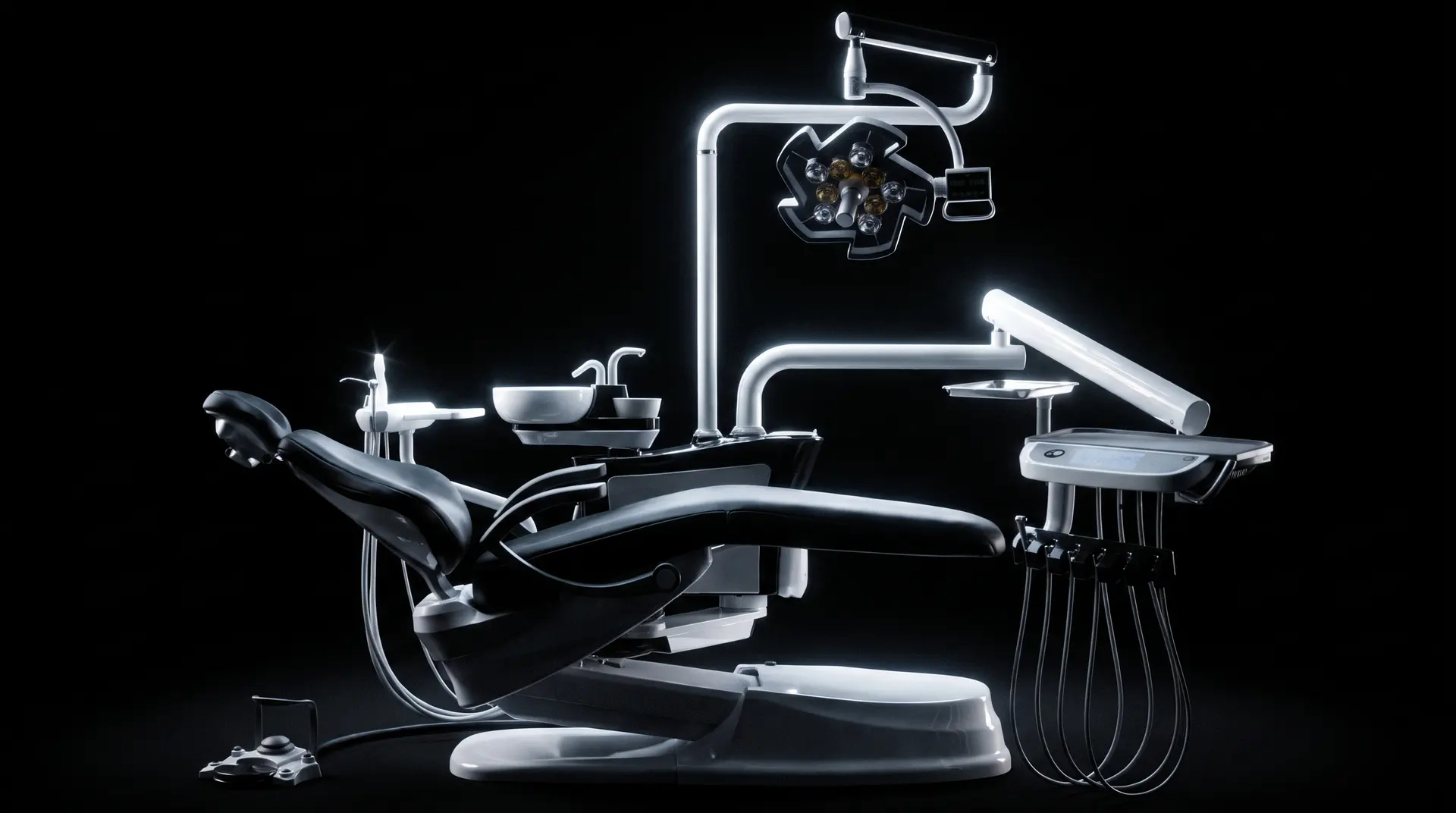
A dental unit is bought roughly three times in a career and lived with every working day in between. The specification sheet is the easiest thing to compare and the least reliable guide to how that decade will go.
These are the questions we would ask if we were buying — including the ones that are awkward for us to answer.
The warranty ends and the relationship changes. Ask what a replacement control board costs, whether it is still manufactured, and how long it takes to arrive. A unit that is cheap to buy and expensive to keep is not cheap.
Every board is a component that can fail and a diagnosis that takes time. Units with a board per subsystem are quicker to design and slower to fix.
Ask to see the unit with its panels off. If the answer involves removing the upholstery or dropping the chair, every future service call is longer and more expensive than it needed to be.
Steel and moulded plastic look identical when they are painted. Ten years of a hundred cycles a day does not treat them identically.
An over-the-patient arm and a cart are not better and worse, they are different. The wrong one is a daily irritation that no specification improvement fixes.
Ask to hear the chair move with the compressor running. Patients register noise long before they register anything on the spec sheet.
The people who install the unit are often not the people who service it. Find out how far away the nearest engineer is and what the response commitment is in writing.
Compare quoted configurations, not list prices. Suction, compressor, delivery and installation are the four items most likely to be quoted separately.
The most useful question you can ask any supplier. If the answer is “nothing”, you have learned something anyway.
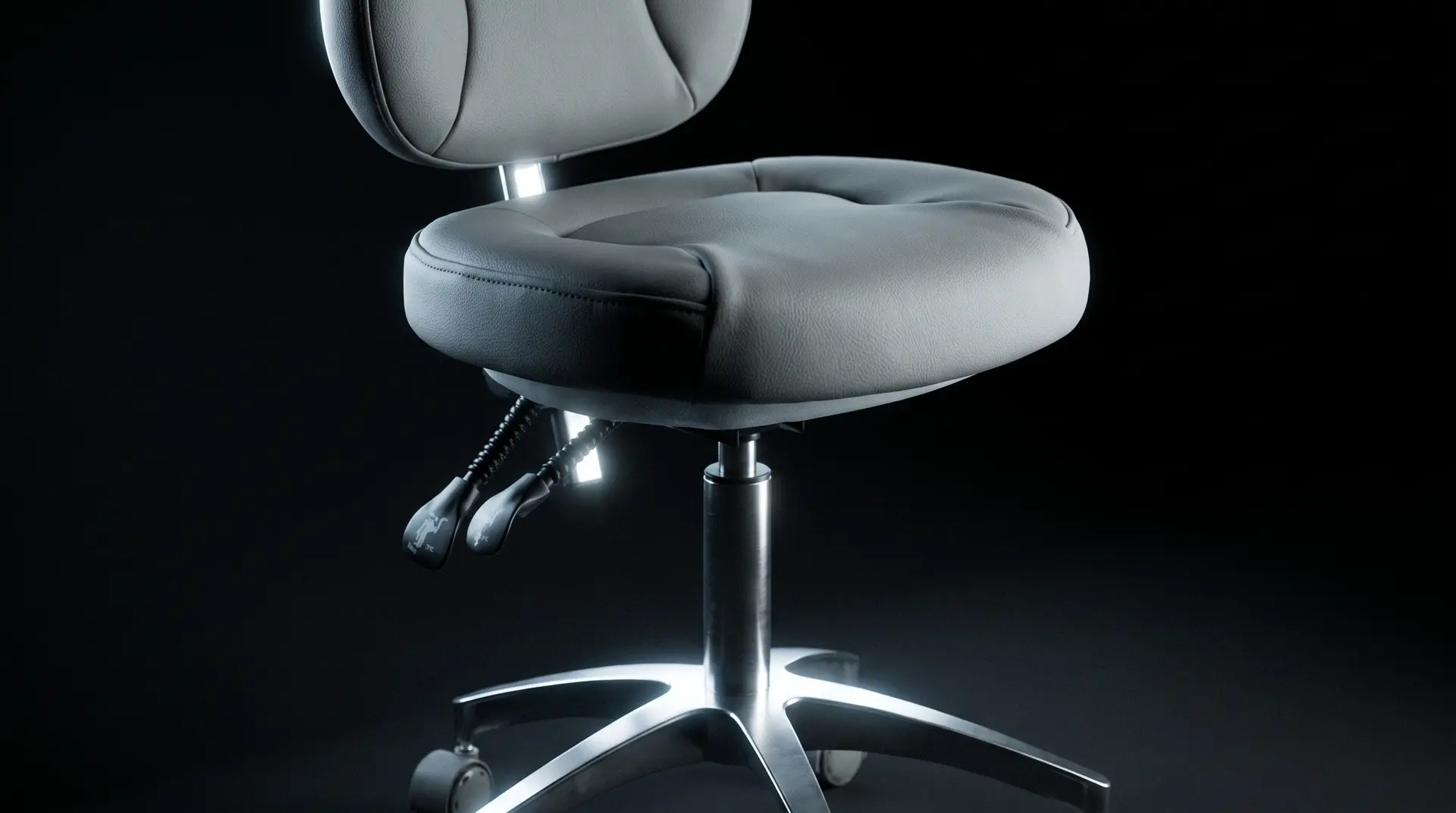
Back pain in dentistry is usually blamed on posture. More often it is the three metres of floor around the chair.
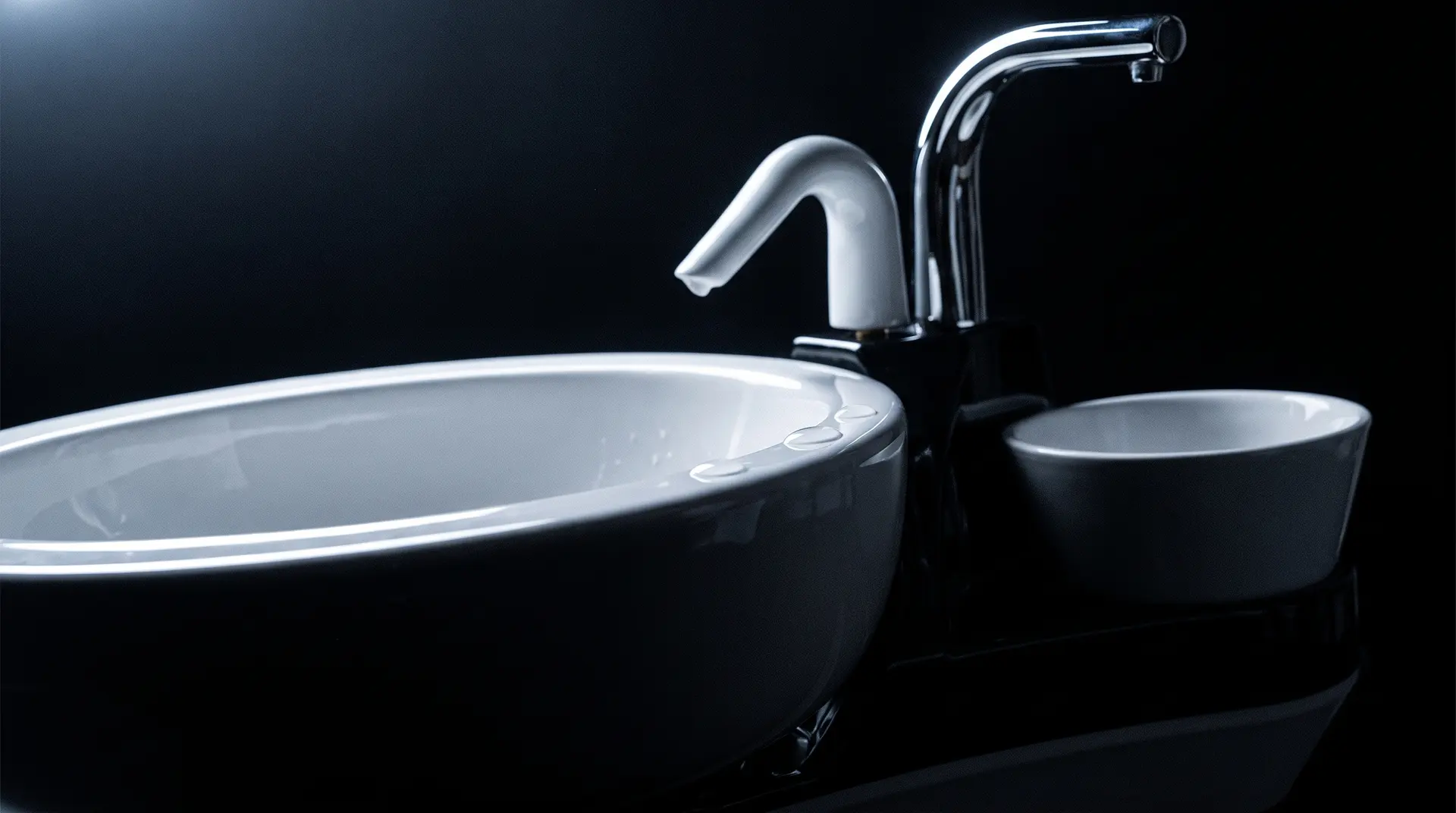
The part of a dental unit most likely to cause a problem is the part least likely to appear on a maintenance plan.