Waterlines are the maintenance nobody schedules
The part of a dental unit most likely to cause a problem is the part least likely to appear on a maintenance plan.
Back pain in dentistry is usually blamed on posture. More often it is the three metres of floor around the chair.
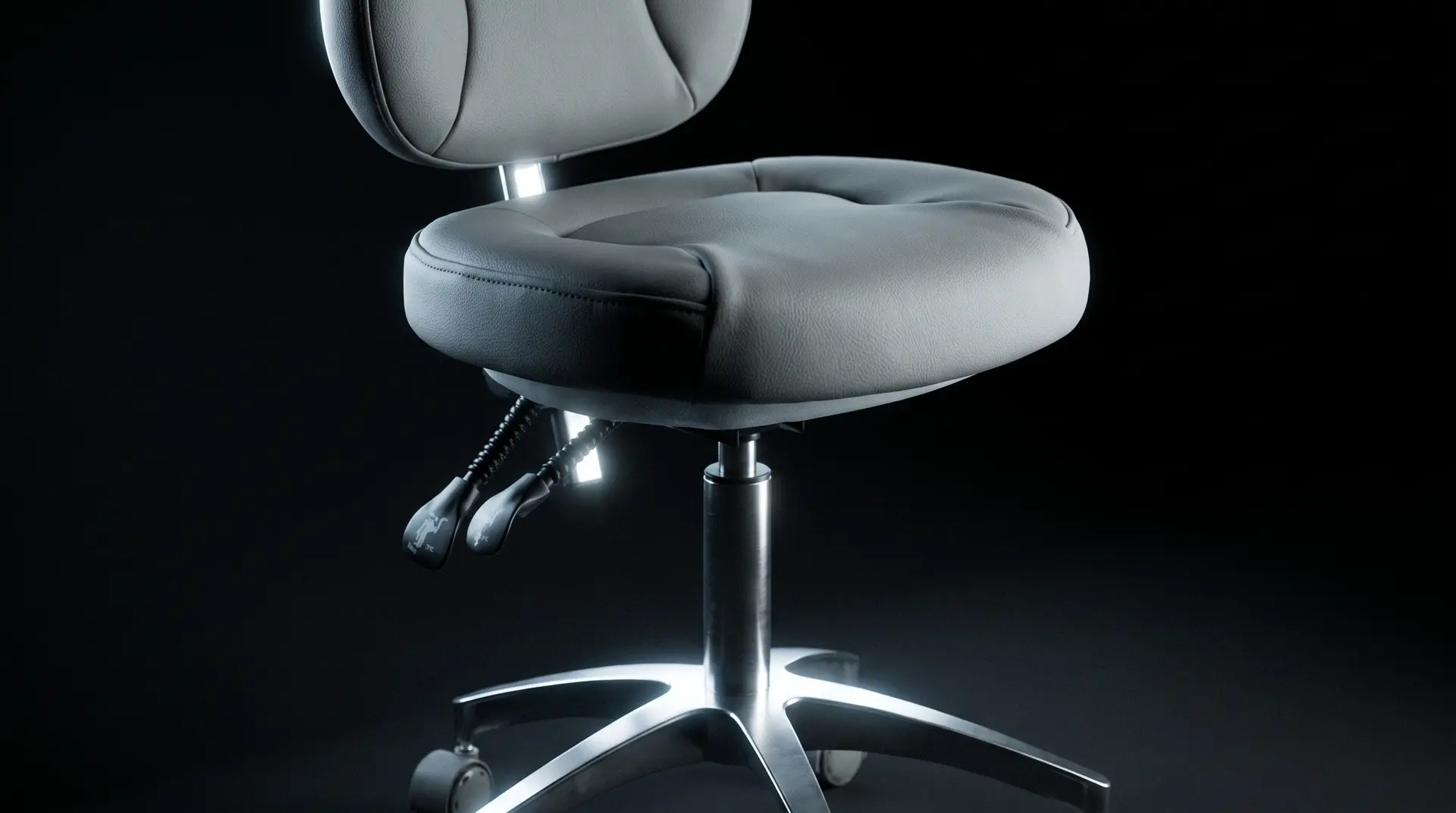
Ask a dentist with a sore neck what caused it and they will describe their posture. Watch them work for an hour and you will usually see something else: a room that makes good posture impossible.
If an instrument sits outside comfortable reach, the body goes to it. Repeated four hundred times a day, that reach is the injury. The fix is rarely a better chair — it is moving the delivery system twenty centimetres.
A surgery designed around the operator alone forces the assistant into the gaps. That shows up as collisions, as instruments passed at awkward angles, and eventually as two people with different injuries.
Before specifying anything, work through a typical appointment in the empty room with tape on the floor. Where do you stand? Where does the assistant stand? Where does the patient’s head end up? Most layout mistakes are visible in ten minutes and invisible for ten years.
An operating light that has to be repositioned constantly is usually mounted in the wrong place, not underpowered. The same is true of ambient lighting: high contrast between the operating field and the rest of the room is tiring in a way that is hard to notice and hard to work through.
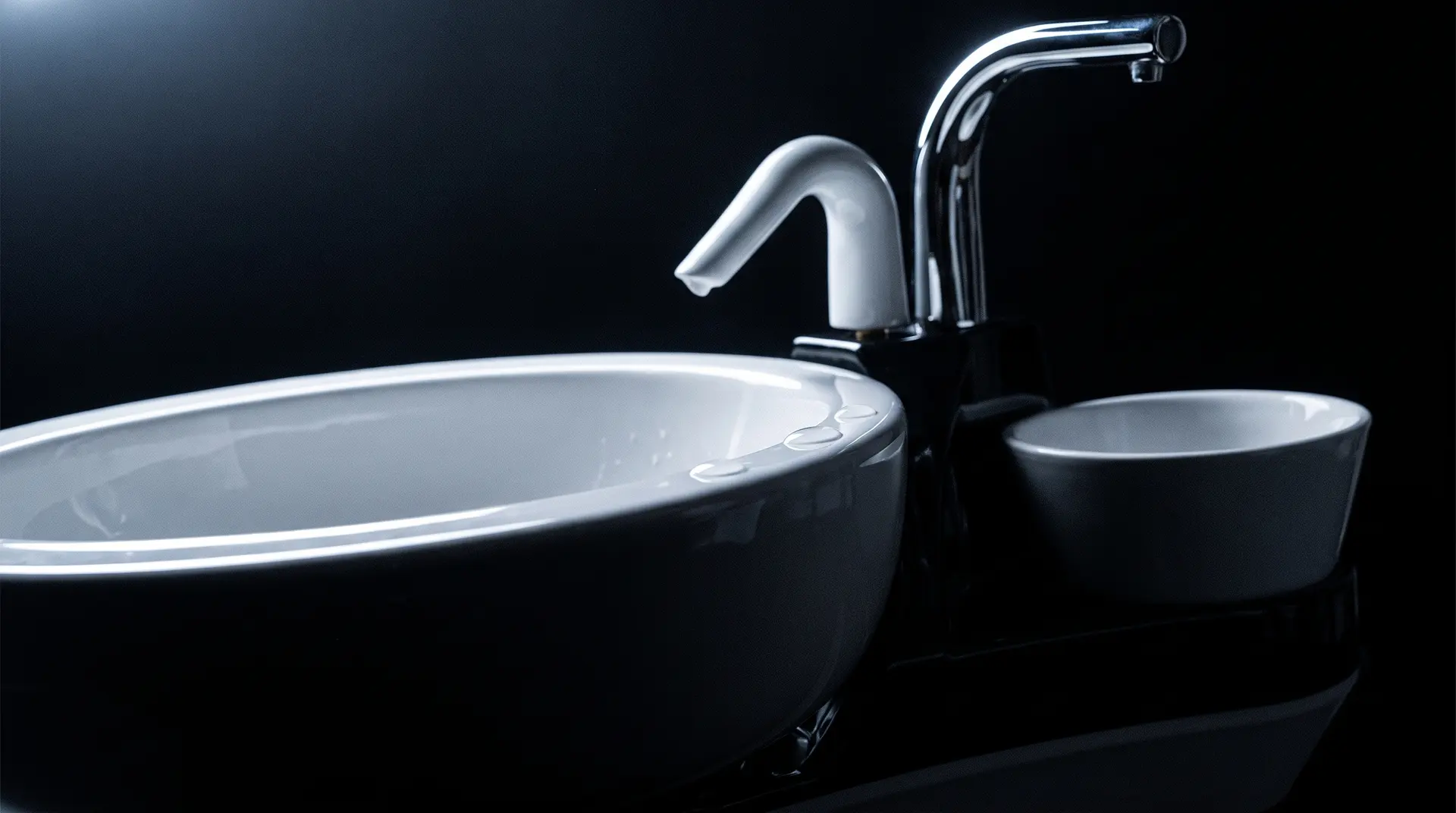
The part of a dental unit most likely to cause a problem is the part least likely to appear on a maintenance plan.
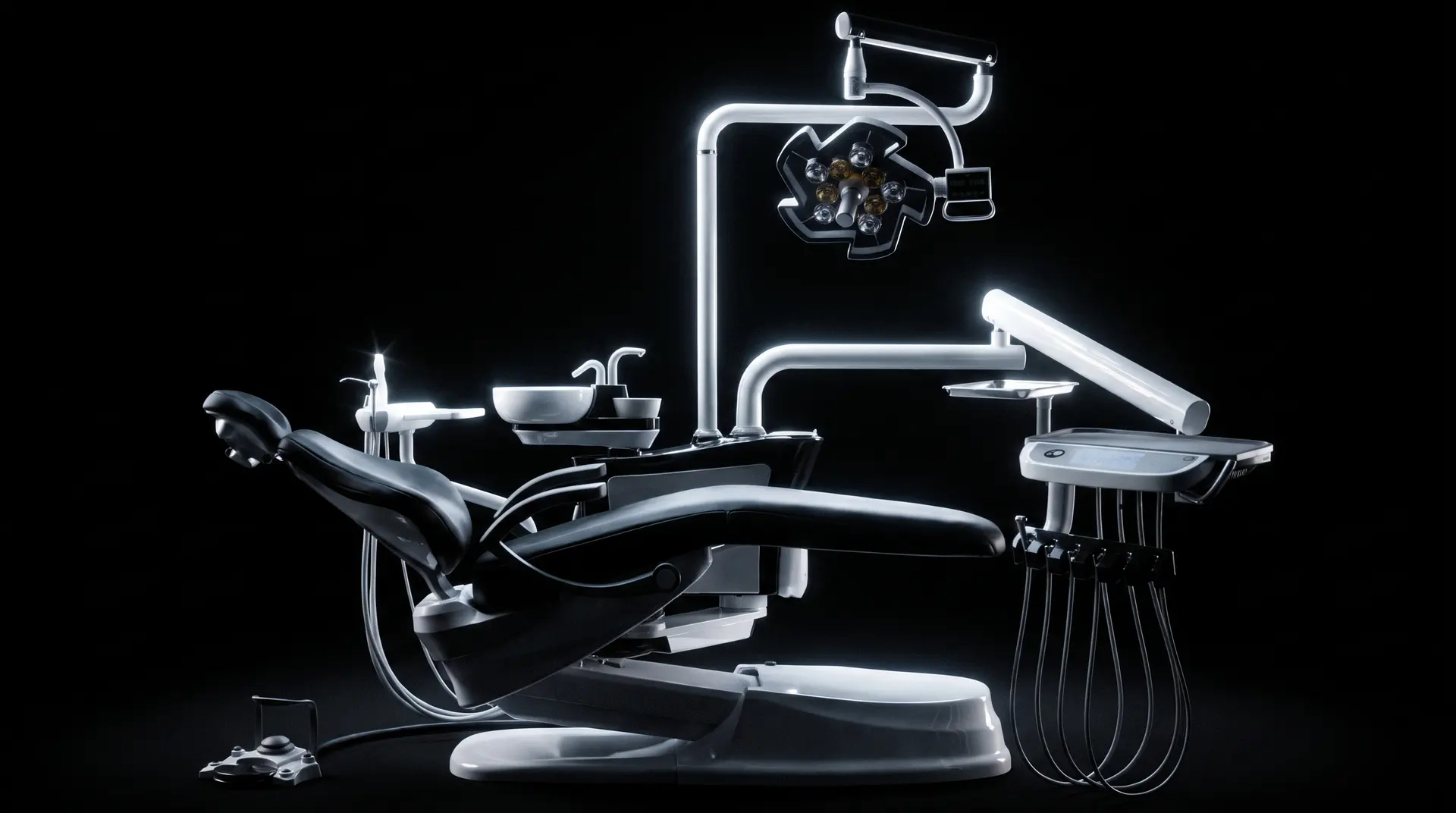
Most unit comparisons focus on the specification sheet. These are the questions that predict how you will feel about the purchase in year five.