Nine questions to ask before you buy a dental unit
Most unit comparisons focus on the specification sheet. These are the questions that predict how you will feel about the purchase in year five.
The part of a dental unit most likely to cause a problem is the part least likely to appear on a maintenance plan.
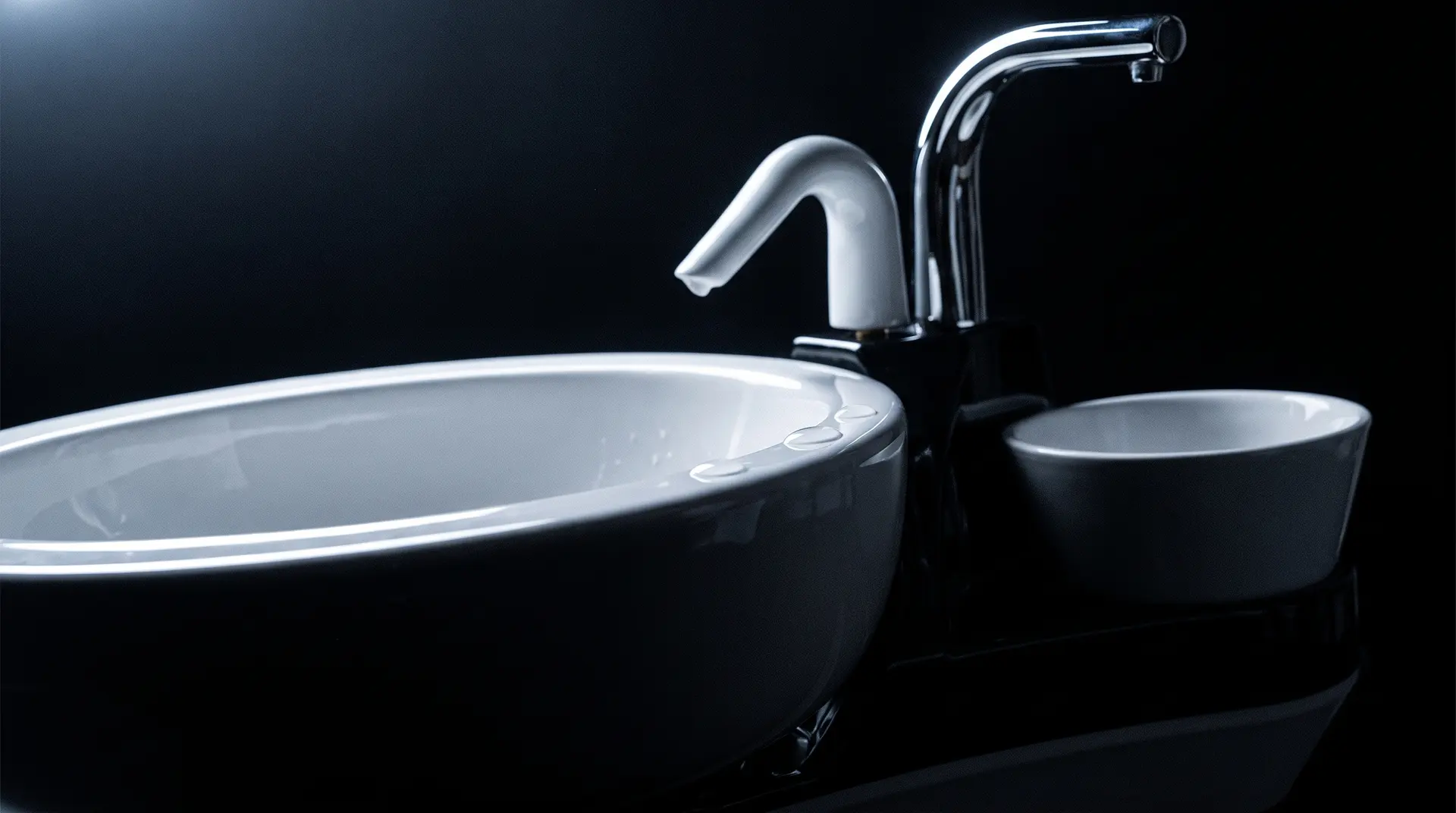
Chairs get serviced. Compressors get serviced. Waterlines get flushed when somebody remembers, which in a busy practice means less often than anyone would admit in an inspection.
Narrow-bore tubing, warm water and long idle periods produce biofilm in any unit, in any practice, regardless of how carefully the room is cleaned. It is a consequence of the geometry. Treating it as a cleanliness issue leads to the wrong intervention.
Any protocol that depends on somebody performing a task at the end of a long clinical day will be performed inconsistently.
That is not a criticism of anyone’s diligence, it is a description of how days end. A unit with an automated disinfection cycle removes the variable rather than managing it.
None of this is difficult. It is simply the maintenance that has no symptom until it has a serious one.
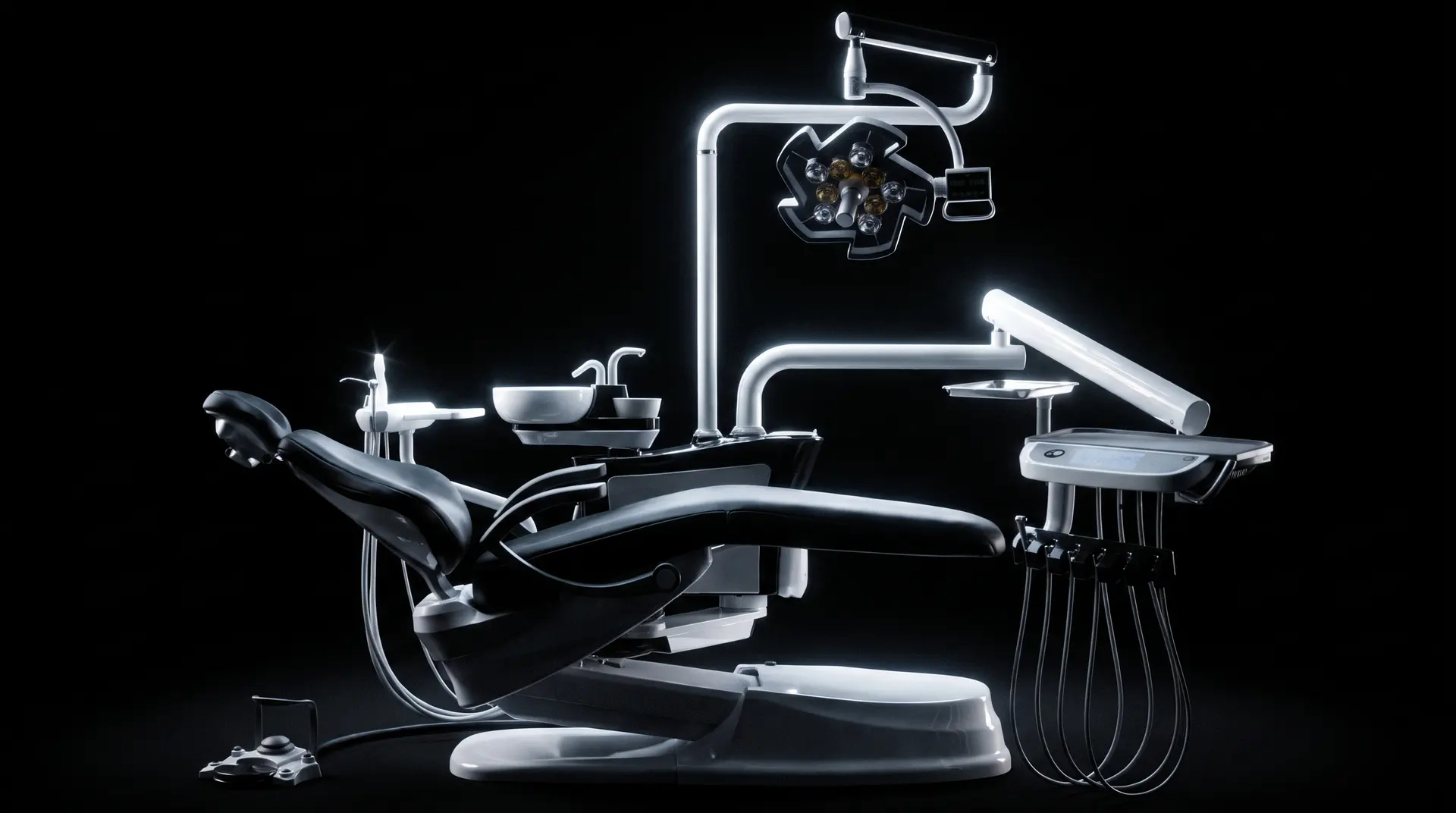
Most unit comparisons focus on the specification sheet. These are the questions that predict how you will feel about the purchase in year five.
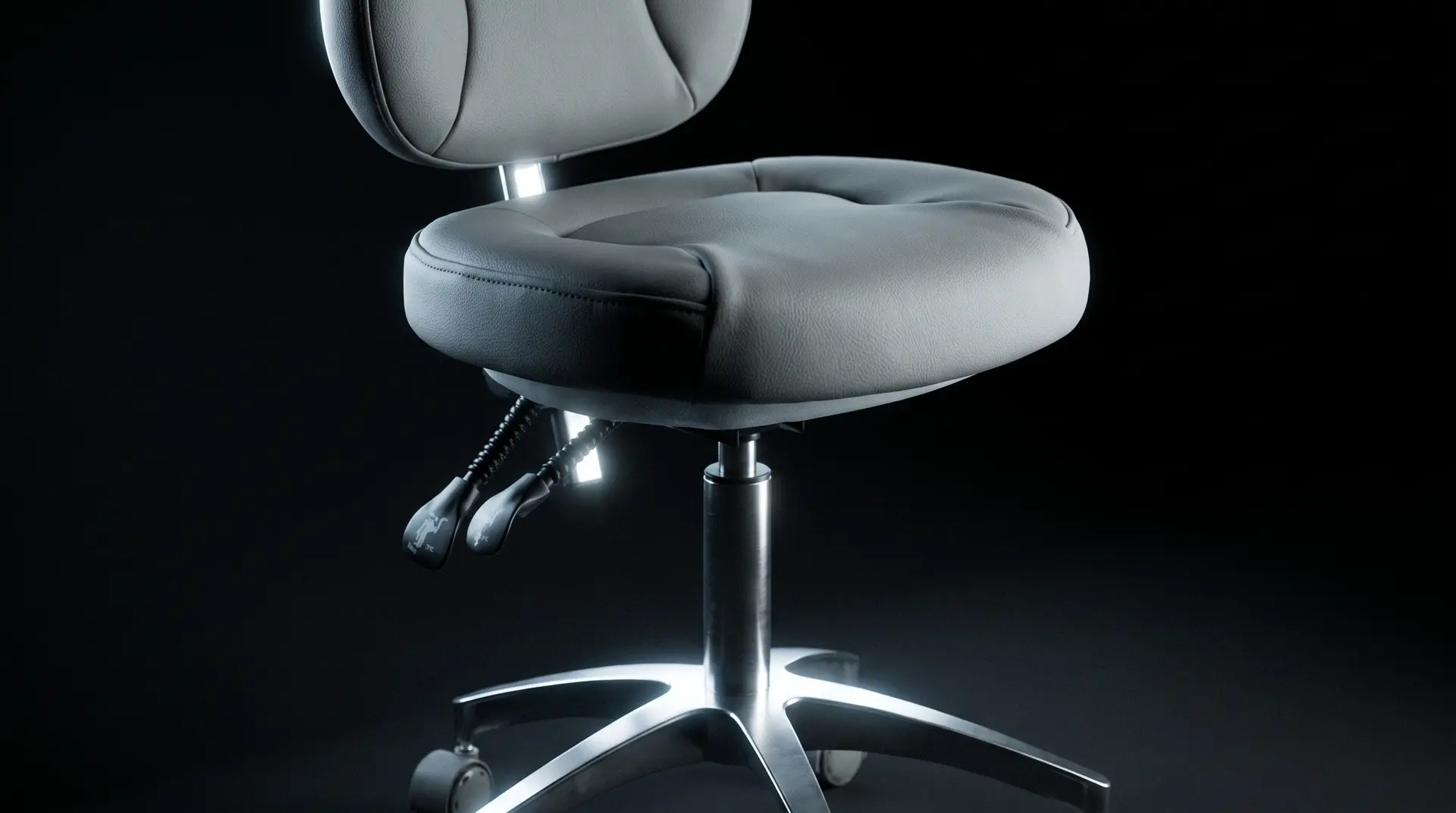
Back pain in dentistry is usually blamed on posture. More often it is the three metres of floor around the chair.